
Creating a home that’s both stylish and safe for kids can seem like a challenge, but it doesn’t have to be. The key to kid-friendly interior design is balancing comfort, safety, and style. By thoughtfully selecting furniture with rounded edges and choosing materials that are durable yet tasteful, you can create a space that’s perfect for your family.
Involving your kids in the design process is also a great way to ensure the space feels welcoming to them. Let them pick colors or themes they like, and watch as their creativity shines through. This not only makes the space feel personal but also encourages them to enjoy and respect their environment.
By rethinking how you use each room, you can make shared spaces functional and fun for everyone. Look for pieces that can adapt as your family’s needs change, like storage solutions that keep toys out of sight when not in use.
Key Takeaways
- Balance comfort and safety with style.
- Let kids participate in design choices.
- Adapt shared spaces for functionality and fun.
Fundamentals of Kid-Friendly Design
Creating a kid-friendly home involves more than just picking out fun colors. Ensuring safety, durability, and adaptability are key factors. You’ll need to consider childproofing elements, select robust furniture, and choose materials that are easy to clean.
Understanding Childproofing and Safety
Safety is at the top of the list when designing for kids. Childproofing involves more than just plugging outlets. Using safety gates can prevent falls on staircases. Secure heavy furniture to walls to prevent tipping. Consider rounding off sharp corners on furniture to reduce the risk of injury.
Install child-proof locks on cabinets containing hazardous items. Ensure your home is equipped with smoke detectors and fire extinguishers reachable by adults but out of children’s reach.
Choosing Durable Materials and Furniture
When kids are involved, durability is your friend. Choose furniture made from durable materials that can withstand rough handling. Solid wood or furniture with strong metal frames tend to last longer. If possible, opt for furniture that can adapt as your child grows, like adjustable features on chairs and tables.
For high-traffic areas, consider flooring materials like laminate or vinyl. These can resist scratches and are easy to maintain. Rounded furniture edges can help prevent injuries from accidental bumps and falls.
Incorporating Easy-to-Clean Surfaces and Fabrics
Accidents and spills are inevitable, so make cleanup easy. Choose easy-to-clean materials for both furniture and surfaces. Leather or synthetic alternatives often wipe clean quickly. Fabric treatments that resist stains are also available for upholstery.
In dining areas, washable cushion covers or tablecloths can simplify maintenance. Consider non-porous countertops for kitchens. These surfaces resist stains and don’t soak up liquids easily.
Designing Spaces for Children’s Growth and Exploration
Children’s needs change rapidly, so design spaces that can grow with them. Consider furniture that can be adjusted or reconfigured easily, like modular sofas and shelving. This way, you won’t need to replace furniture frequently.
Encourage creativity and exploration by incorporating natural elements like plants or a small indoor garden. These can be both educational and relaxing. Open space for play is essential as it encourages movement and active play.
Creating a Balanced and Beautiful Space
Designing a kid-friendly home can mix style with function. By choosing durable materials, using vibrant but safe colors, and organizing the space wisely, your space can be both beautiful and practical.
Blending Functionality with Aesthetics
Incorporating functionality with aesthetics is key to creating a balanced home. Choose furniture made from durable materials like microfiber or leather. These materials are easy to clean and withstand daily use. Select pieces that serve multiple purposes, such as a coffee table with storage or a sofa bed.
When arranging furniture, consider the flow of the room. Make sure there’s enough space for kids to move freely. This layout can enhance both the look and the usability of the space. Adding area rugs can define different zones in a room while keeping a cohesive look.
Strategic Use of Colors and Textures
Colors and textures greatly impact child-friendly interior design. Vibrant colors can stimulate creativity and happiness. Use them as accents on walls, cushions, or artwork to add life to a room.
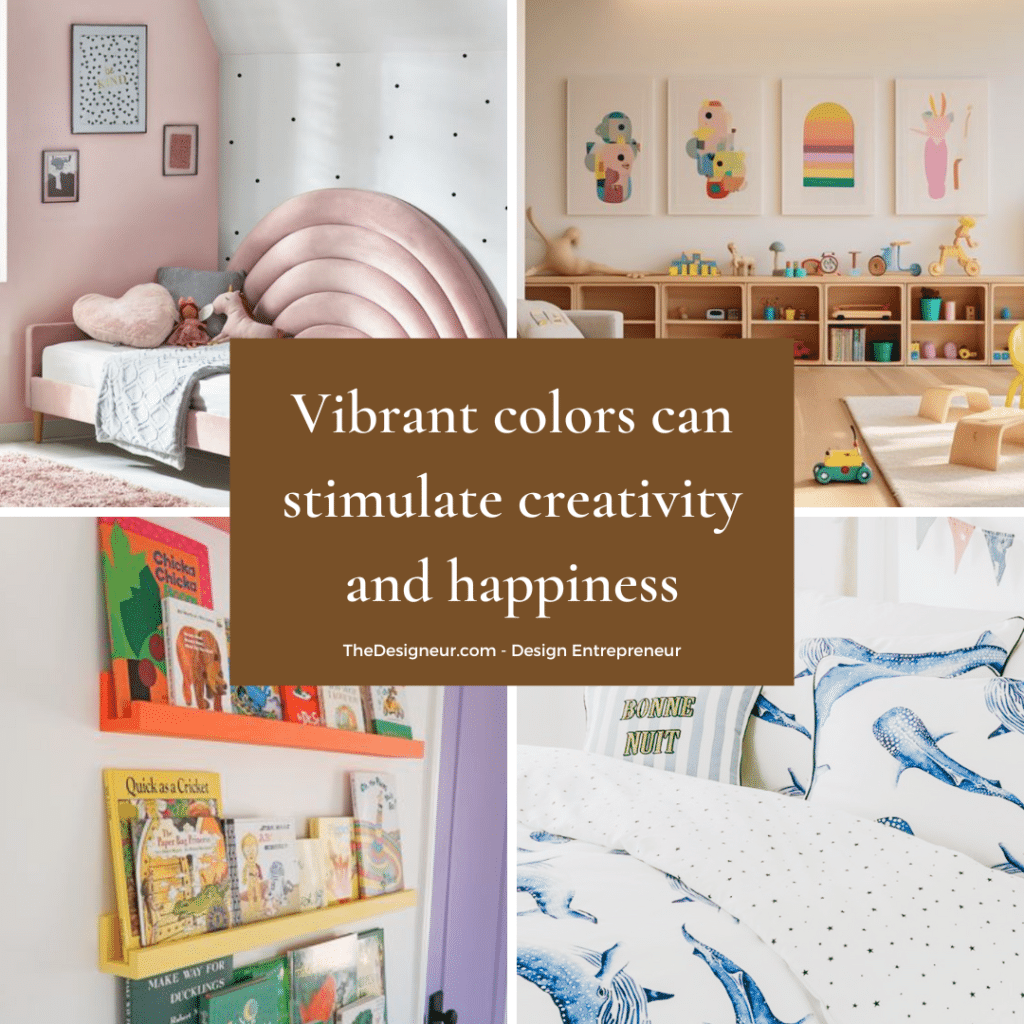
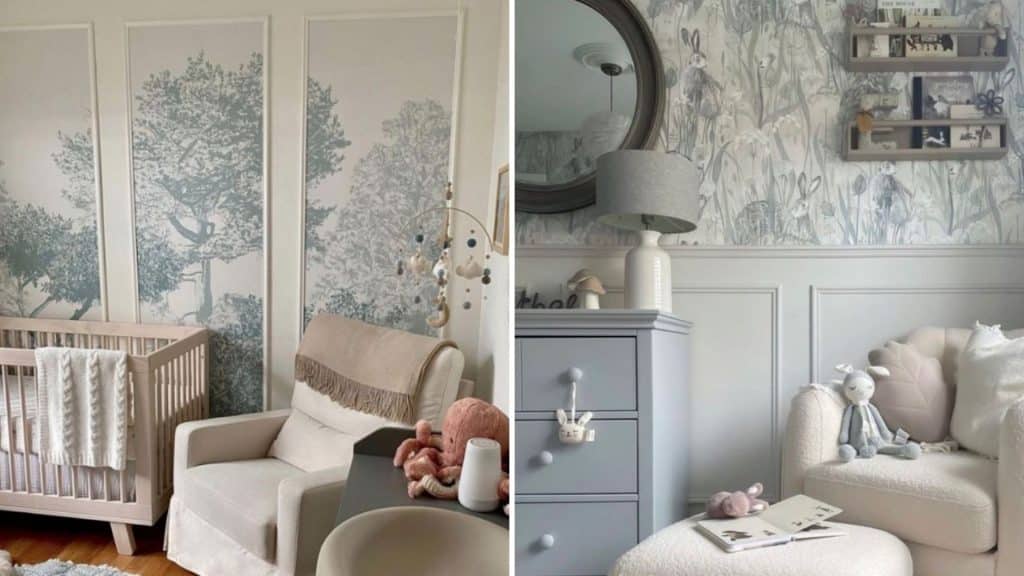
Balancing these colors with neutral tones can prevent overwhelming the space. Textures like soft throws or colorful rugs can add warmth and depth. Consider using washable paint for easy cleaning and long-lasting beauty. Wallpapers are a great way to add interest to childrens’ rooms!
By alternating between different textures, you create a tactile experience that adds richness and unity to the design.
Effective Storage Solutions
Storage is essential in maintaining both style and organization. Consider functional storage options like built-in shelves or multifunctional furniture. Baskets and storage cubes can keep toys and clutter in check while remaining accessible to kids.
Use vertical space such as walls for additional storage and to free up floor space. Labeling storage bins makes organizing easier for children. With smart storage solutions, you can reduce chaos while enhancing the overall decor. You’ll find that effective storage brings calm and balance to the entire home environment.
When designing kid-friendly shared spaces, it’s important to combine functionality with style. These areas should accommodate both relaxation and play, while maintaining a sense of order. By incorporating multi-functional areas, creating kid-friendly zones, and creatively displaying art, you can achieve a harmonious balance in your home.
Implementing Multi-Functional Areas
Multi-functional spaces are perfect for shared areas where both you and your kids need room to relax and play. Consider furniture pieces that serve dual purposes. For instance, a coffee table with built-in storage can keep toys tucked away when not in use.
Modular sofas that can be rearranged provide flexibility, making it easy to accommodate activities from movie nights to building block towers. Adjustable shelving units allow you to display family photos or books while storing extra items in bins or baskets. These solutions help maximize every square foot, ensuring you always have space for your family’s needs.
Creating kid-friendly zones within shared living spaces involves thinking about safety and engagement. Use colorful rugs to define a play area that adds vibrancy without cluttering the space. Soft surfaces can also help make these areas safe for young children.
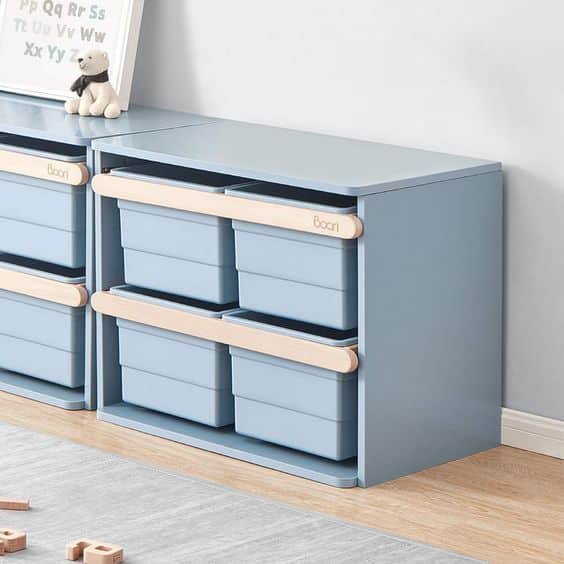
Low, accessible storage solutions like bins or baskets encourage kids to tidy up after themselves. Toy storage can be stylish too, with options like sleek wooden boxes or fabric bins that complement your decor. Additionally, consider furniture with rounded edges and non-toxic materials to enhance safety. By incorporating these elements, you actively enable your kids to play freely in a safe environment.
Creative Display and Decoration
Displaying art and decorations creatively can transform shared spaces into personalized havens. Think about using a gallery wall to showcase your kids’ artwork. Framed pieces or art hung on a wire with clothespins make it easy to rotate displays and keep things fresh.
Incorporate creative storage solutions, such as shelves for family photos or decorative items. Using bold colors and playful patterns in decor can add character while remaining in tune with your style. As an interior designer might suggest, the key is to blend functionality with aesthetics, allowing your family to enjoy a beautiful and practical space.